Storage in Manila: When a Unit Is the Cheaper Answer
Four situations where renting a box costs less than the alternative — and one local factor that decides whether your things come out the way they went in.
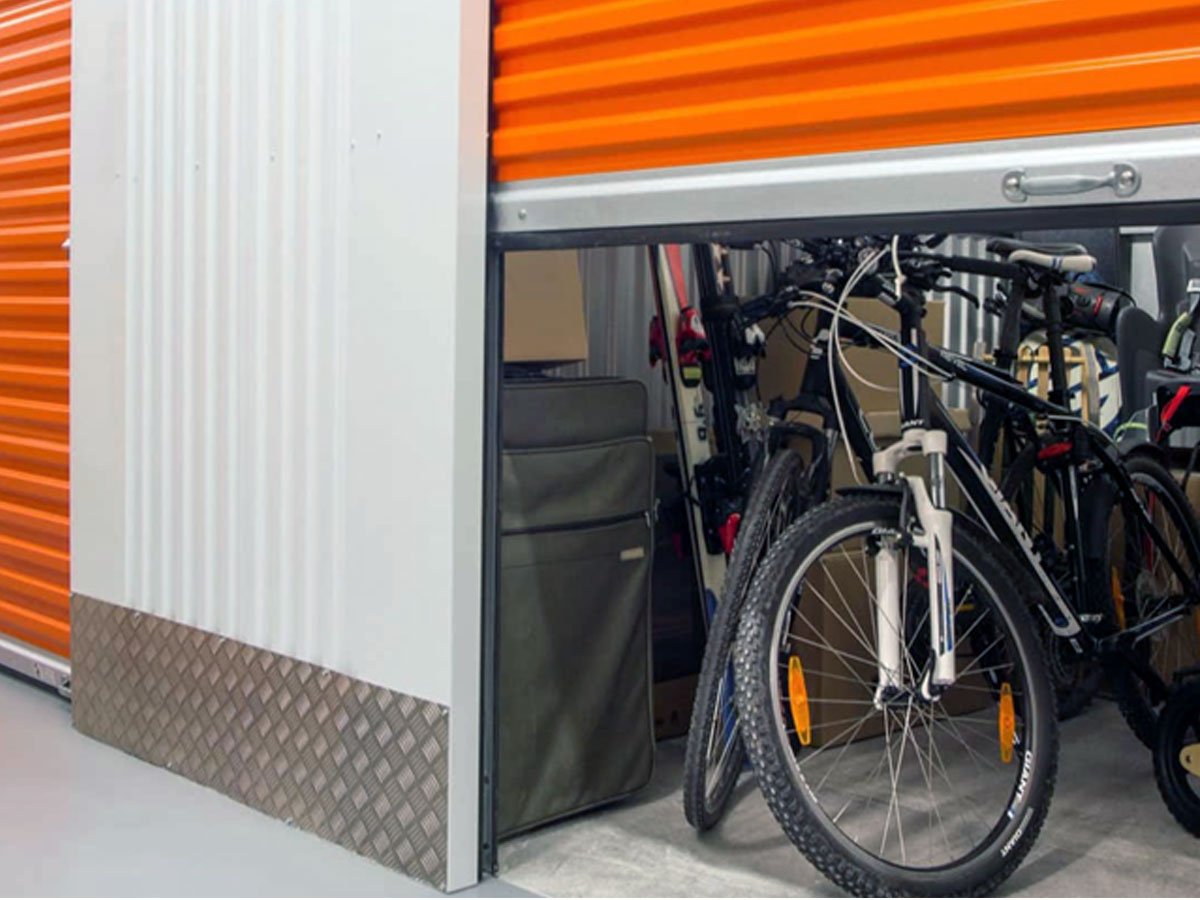
Nobody sets out to rent a storage unit. It becomes the answer when the alternatives are worse: keeping an apartment you no longer live in, shipping furniture you may not want at the other end, or asking a friend to absorb twelve boxes indefinitely. Storage in Manila is worth understanding before you need it, because the decision usually arrives under time pressure — and because the local climate makes one particular choice matter far more here than it would in Europe or North America.
On this page
01The four situations
In practice, almost every unit we arrange falls into one of four cases.
| Situation | Why storage wins | Typical duration |
|---|---|---|
| A posting abroad, with an intention to return | Keeping a home purely to house furniture is the most expensive form of storage there is | Open-ended, extendable |
| Between two leases | Handover dates rarely align; a few weeks of storage removes the pressure to accept the wrong flat | Weeks to a few months |
| Renovation or construction | Dust and trades damage more furniture than moving does — and a smaller temporary home cannot hold it | Length of the works |
| A staged relocation | You arrive before the shipment is decided, or ship in two waves rather than one | Flexible Usually short |
The common thread is optionality. Storage buys you the ability to decide later — about the country, the apartment, the furniture — and that option is normally worth more than the monthly fee. If you are still choosing where in the metropolis to settle, our guide to choosing a district in Metro Manila is the decision that should come first; storage is what lets you take it unhurried.
02The arithmetic nobody does
The instinct of most people leaving for a posting is to keep the apartment. It feels prudent. It is usually the most expensive option available, because you are paying capital-city residential rent to warehouse a sofa — and residential rent in this city is priced for people, not for objects.
The two alternatives both have hidden costs of their own. Renting the place out furnished converts the cost into income, but you have no way of knowing how your things are being treated, and the items you care about most are exactly the ones that suffer — the inherited clock, the good glassware, the table with the mark you would notice. Selling everything is clean until you come back and rebuild a household from zero, which costs more than three years of storage in most cases.
A unit sits between the two: you pay for square metres priced as square metres, in a building designed to hold objects rather than people, and you keep the things you would not replace. The comparison to run before deciding is simple — monthly storage against monthly rent for the same volume, plus what it would cost to replace the twenty items you actually care about.
The cheapest step is the one before
Sort first, store second. Almost every household we work with stores at least one third more than it should — furniture that will not suit the next home, appliances on the wrong electrical standard, boxes nobody has opened since the last move. Storing rubbish costs the same per cubic metre as storing heirlooms.

03What this climate does to stored things
This is the section the generic advice leaves out, and it is the one that matters locally. The Philippines is hot and humid year-round, with a long wet season. In an unconditioned warehouse, that combination works on your belongings continuously for as long as they are there.
- Mould and mildew on fabric, leather, upholstery and anything paper-based — books, documents, photographs, artwork.
- Warping and delamination in wooden furniture and veneers as they take up and release moisture through the seasons.
- Corrosion and condensation damage inside electronics and instruments, which often shows up only when they are switched on again.
- Pests, which are attracted to warmth, cardboard and any trace of food — and which a well-run facility manages actively rather than hopefully.
Which is why the choice between a plain unit and a climate-controlled one is not a comfort upgrade here but a decision about what survives. For a few boxes of robust household goods over a short period, a standard unit is fine. For anything textile, wooden, electronic, musical or paper-based — or for anything staying more than a few months — air-conditioned storage in the Philippines is the option that pays for itself the first time you open a box and nothing smells of damp.
04What to check before signing
Facilities differ more than their websites suggest. Seven questions separate them.
01
Security, specifically
Round-the-clock guarding, cameras covering the corridors rather than only the entrance, alarms, and a log of who enters which unit and when.
02
Climate control, in writing
Ask whether conditioning runs continuously or only in office hours. Intermittent cooling produces condensation cycles, which are worse than none at all.
03
Access terms
Which hours, how much notice, and whether retrieving one item costs a fee. If you may need something on a visit home, this matters more than the monthly price.
04
Insurance
What the facility covers, what it explicitly excludes, and whether the cover is per item or per unit. Declare high-value items rather than assuming they are included.
05
The inventory
Insist on an itemised, numbered list linked to box numbers — and photographs. Without it, a unit is a wall of identical cartons.
06
Contract flexibility
Whether you can extend, shorten or change unit size, and on what notice. Plans change; a contract that cannot follow them costs money.
07
Who handles the transport
One provider for packing, transport and storage means one party responsible if something is damaged. Split it and you split the liability.
05Packing for storage is not packing for a move
A move is packed for a journey of days. Storage is packed for a stay of months or years, in heat and humidity, and that changes the rules. Wrap furniture in breathable materials rather than sealing it in plastic, which traps moisture against the surface. Clean and dry textiles thoroughly before they go in. Remove batteries. Never store liquids, food or anything perishable. Leave a gap between the stack and the walls so that air can move.
Two habits are worth more than all the rest: number your boxes and list their contents, so that retrieving one thing does not mean unstacking everything; and photograph anything valuable before it is wrapped, which is the evidence any insurance claim will rest on.
Anything fragile, awkward or genuinely valuable — artwork, instruments, antiques, a stone table top — belongs in a purpose-built crate rather than a blanket. And if the storage is a stage in a longer move rather than an end in itself, it is worth handling as one operation: our storage service in the Philippines exists precisely so that packing, transport, warehousing and eventual delivery sit with one team, and it has since 2011.
06Common questions
Is storage cheaper than keeping my apartment?
Almost always. Residential rent in the capital is priced for people to live in, not for objects to sit in; a storage unit is priced by volume in a building designed for the purpose. Compare the monthly cost for the same volume, and add what replacing the twenty items you care about would cost.
Do I need air-conditioned storage in Manila?
For anything textile, wooden, electronic, musical or paper-based, or for any stay beyond a few months, yes. The climate here is hot and humid year-round, and in an unconditioned unit that works continuously on your belongings — mould on fabric and paper, warping in wood, corrosion inside electronics.
Can I get something out while my things are stored?
Yes, if you arrange it properly. Ask about access hours, the notice required and whether retrieving a single item carries a fee, and make sure a numbered inventory exists — without one, finding one box among a hundred identical cartons is the real obstacle, not the access policy.
How long can I store things for in Manila?
As long as you need, in practice. What matters is whether the contract can follow a change of plan: check how you extend, shorten or move to a different unit size, and on what notice. Coming home earlier or staying abroad longer are both normal, and neither should cost a penalty.
What should I never put into storage?
Liquids, food and anything perishable; batteries left inside devices; and anything you would be unable to replace but might need at short notice — documents, medication, jewellery. Textiles should go in clean and completely dry, since damp fabric in this climate becomes mould within weeks.
Is my property insured while it is stored?
Only to the extent the contract says. Ask what is covered, what is explicitly excluded, and whether limits apply per item or per unit. High-value pieces usually need declaring individually, and a photographic inventory made before packing is what any claim will rest on.
Not sure how much space you need?
Send us a rough list, or a few photographs of the rooms. We will come back with the volume, whether it warrants climate control, and what packing, collection and storage would look like as one operation. Talk to our Philippines team →